 +618 8371 3000
 reception@drsamhall.com.au
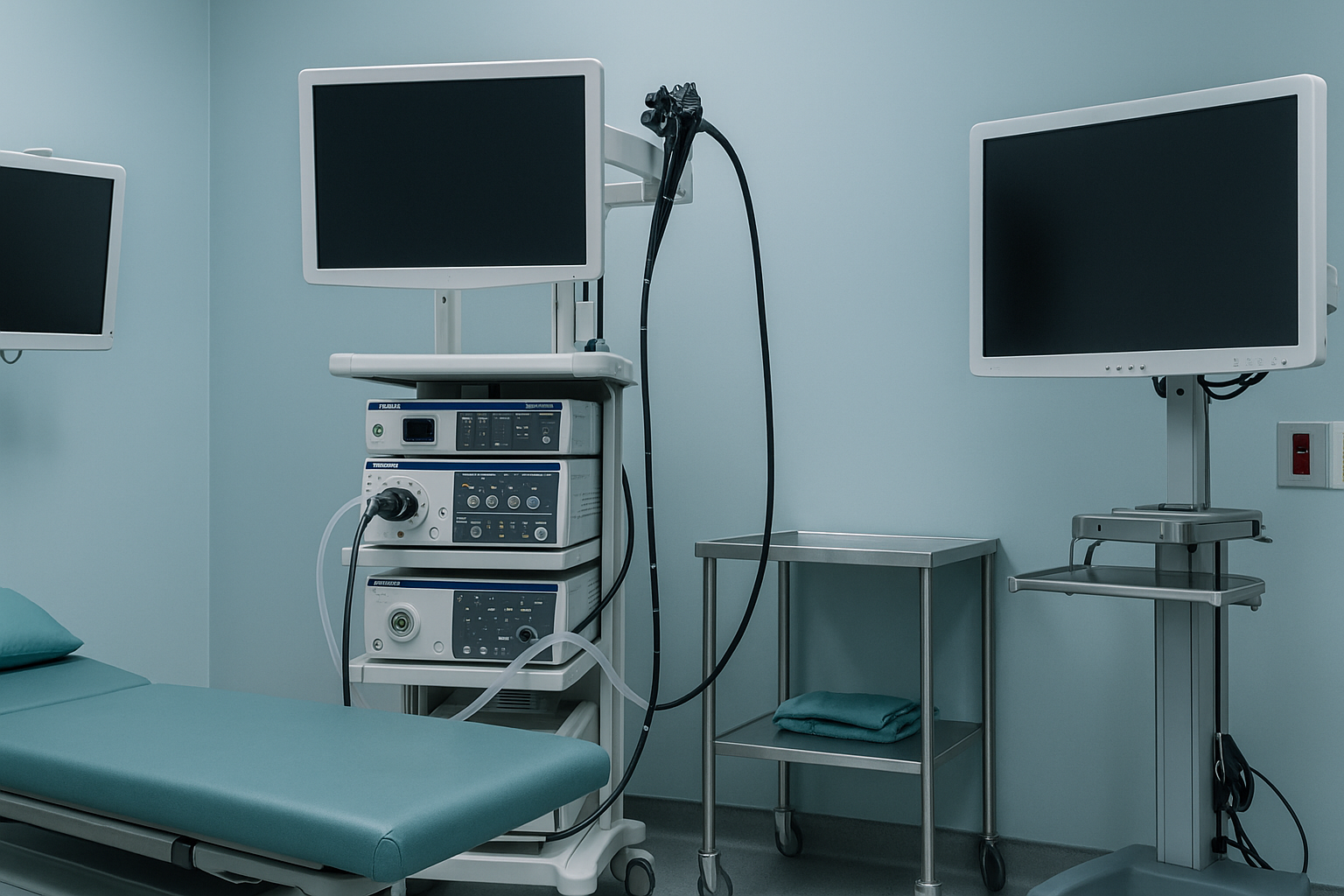
What is a gastroscopy?
Gastroscopy, also known as an upper endoscopy, is a safe, effective procedure that allows a specialist to visually examine the lining of your upper gastrointestinal tract, including your oesophagus, stomach and the first part of your small intestine (the duodenum). A gastroscope is a thin, flexible tube fitted with a light and video camera. Your specialist guides the scope gently through your mouth to inspect the upper gut lining in detail. If necessary, small tissue samples (biopsies) can be taken and certain treatments delivered during the same procedure.

Why have a gastroscopy?
Gastroscopy may be performed to:
- Investigate persistent heartburn, reflux or difficulty swallowing
- Identify the cause of upper abdominal pain, nausea or vomiting
- Find the source of bleeding or unexplained anaemia
- Investigate and treat ulcers, inflammation or narrowing of the oesophagus
- Take biopsies to investigate conditions such as coeliac disease
How do I prepare for a gastroscopy?
For a clear and safe examination, your stomach needs to be empty. Your exact instructions will be confirmed when you book, but in general you will be asked to:
- Stop eating solid food for around six hours before your procedure.
- Stop drinking clear fluids a few hours beforehand, as advised in your confirmation pack.
- Follow the specific fasting times provided to you, as these may vary depending on the timing of your appointment.
You will receive a personalised guide when you book. It’s important to follow those instructions exactly—if your stomach isn’t adequately empty, the procedure may need to be rescheduled.
Should I continue taking my medication?

Consult Dr Hall regarding your medications before your procedure. You may continue most of your usual tablets, such as those for blood pressure or asthma, with only a small sip of water on the morning of your scope. However, if you are taking anticoagulants or antiplatelet agents (for example, warfarin, apixaban or clopidogrel), any diabetes treatments, or medications that reduce stomach acid (such as proton pump inhibitors, which can mask certain findings), you will receive specific, personalised instructions; do not alter or stop these medications without medical advice.
On the day of your procedure
On the morning of your appointment, please arrive at the location specified in your confirmation pack at the specified time and no earlier. A nurse will welcome you, confirm your personal and medical details, review your consent form and answer any last-minute questions. You will then change into a gown in a private area. An anaesthetist or nurse will insert a small intravenous cannula for sedation and attach monitors to track your heart rate, blood pressure and oxygen levels throughout the procedure. A local anaesthetic spray may be applied to the back of your throat. Under moderate intravenous sedation, Dr Hall will gently guide the gastroscope through your mouth and down into your upper digestive tract, inspecting each segment carefully. If necessary, biopsy samples can be taken during the same session without the need for a separate procedure.
Possible Side-Effects
- Common: A mild sore throat for a day or two afterwards; bloating from air used to inflate the stomach; drowsiness or nausea from sedation.
- Occasional: Minor bleeding at a biopsy site.
Rare Complications
- Sedation reactions: Rare allergic or cardiovascular events.
- Infection: Extremely uncommon with proper scope reprocessing.
- Significant bleeding: Rare complication, most often after biopsy or treatment; may need repeat endoscopy or, rarely, transfusion.
- Perforation (tear): Rare complication; may require surgical repair.
- Damage to teeth or dental work: Uncommon; a mouthguard is used to help protect your teeth.
If you develop severe abdominal or chest pain, difficulty swallowing, vomiting blood, black stools, fever or any worrying symptoms, please seek medical attention immediately.
After your procedure
After your gastroscopy, you will rest in a recovery area until the sedation begins to wear off, usually around 30 to 60 minutes. A nurse will monitor you throughout. Once you are alert enough, you will be offered something to eat and drink, starting gently. Dr Hall or a nurse will discuss your initial findings with you before you leave, though results from any biopsies may take several days and will be sent to your referring doctor.
You will need a responsible adult to take you home and, ideally, stay with you overnight. Most people feel back to normal by the next day and can resume their usual diet and activities.