 +618 8371 3000
 reception@drsamhall.com.au
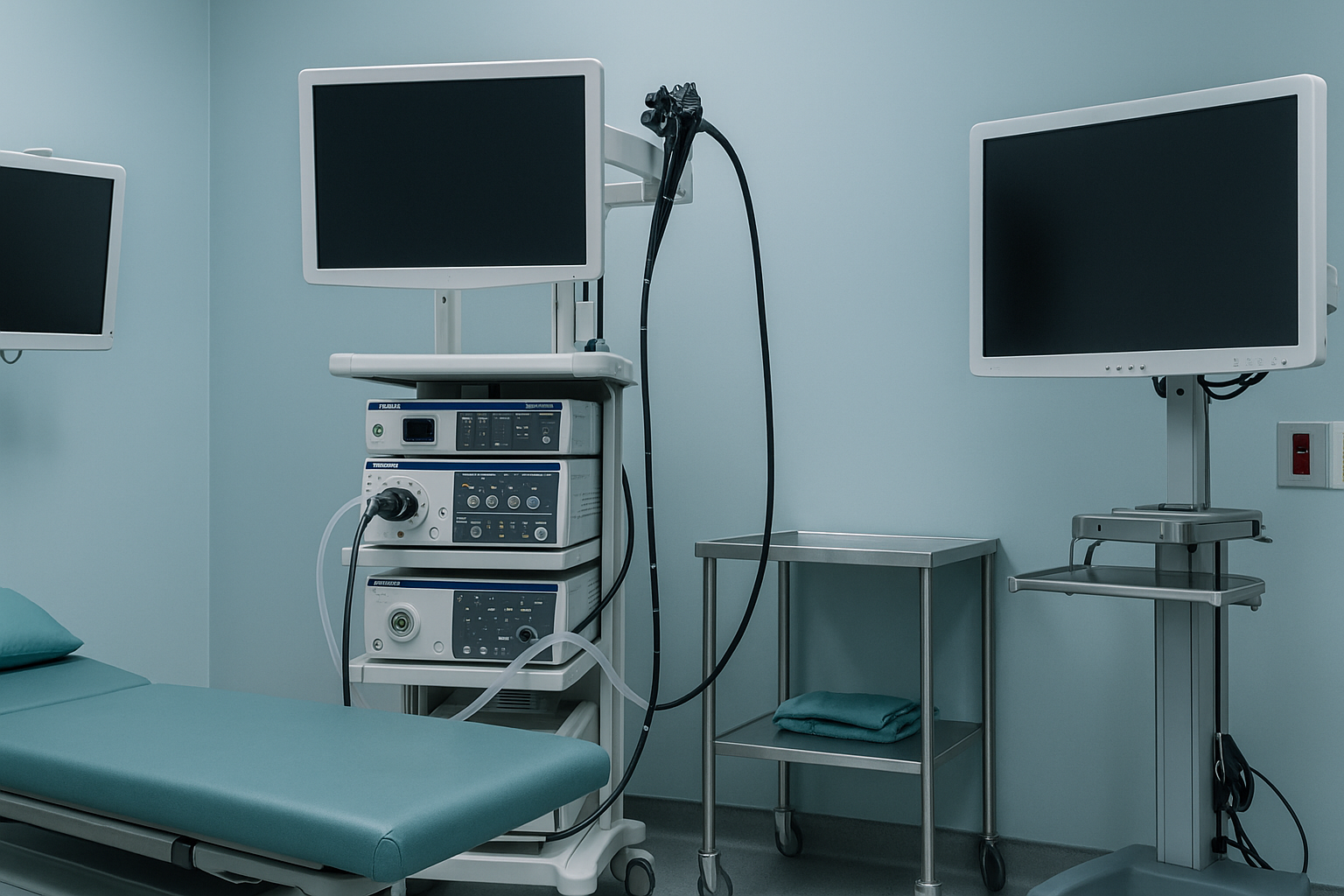
What is a colonoscopy?
Colonoscopy is a safe, effective procedure that allows a specialist to visually examine the lining of your lower gastrointestinal tract, including your colon and the end of the small intestine. A colonoscope is a thin, flexible tube fitted with a light and video camera. Your specialist guides the scope to inspect the bowel lining in detail. If necessary, small tissue samples (biopsies) can be taken, polyps removed and certain treatments delivered during the same procedure.

Why have a colonoscopy?
Colonoscopy may be performed to:
- Investigate changes in bowel habit (diarrhoea or constipation)
- Identify the source of rectal bleeding or unexplained anaemia
- Screen for and remove polyps or early cancers
- Monitor known inflammatory bowel disease (e.g. Crohn’s, ulcerative colitis)
- Follow up on abnormal imaging or laboratory results
What is involved in bowel preparation?
A clear bowel is essential for a successful colonoscopy. Your exact preparation regimen will depend on Dr Hall’s recommendations and can vary from patient to patient. In general, preparation may include:
- Dietary adjustments: for example, switching to a low-fibre diet for a few days beforehand.
- Clear fluid intake: you may be asked to stick to “see-through” liquids (water, broth, clear juice) in the day before your procedure.
- Bowel-cleansing solution: a prescribed drink that flushes out stool, taken according to the timing and dosage Dr Hall provides.
You will receive a personalised prep guide when you book. It’s important to follow those instructions exactly—if your bowel isn’t adequately cleared, the procedure may need to be rescheduled.
Should I continue taking my medication?

Consult Dr Hall regarding your medications before your procedure. You may continue most of your usual tablets, such as those for blood pressure or asthma, with only a small sip of water on the morning of your scope. However, if you are taking anticoagulants or antiplatelet agents (for example, warfarin, apixaban or clopidogrel), or any diabetes treatments, you will receive specific, personalised instructions; do not alter or stop these medications without his advice.
On the day of your procedure
On the morning of your appointment, please arrive at the location specified in your confirmation pack at the specified time and no earlier. A nurse will welcome you, confirm your personal and medical details, review your consent form and answer any last-minute questions. You will then change into a gown in a private area. An anaesthetist or nurse will insert a small intravenous cannula for sedation and attach monitors to track your heart rate, blood pressure and oxygen levels throughout the procedure. Under moderate intravenous sedation, Dr Hall will gently guide the colonoscope through your bowel, inspecting each segment carefully. If necessary, polyps can be removed and biopsy samples taken during the same session without the need for a separate procedure.
Possible Side-Effects
- Common: Mild bloating or cramping from air used to distend the bowel; drowsiness or nausea from sedation.
- Occasional: Minor bleeding at a biopsy or polypectomy site.
Rare Complications
- Sedation reactions: Rare allergic or cardiovascular events.
- Infection: Extremely uncommon with proper scope reprocessing.
- Significant bleeding: Rare complication, most often after polyp removal; may need repeat endoscopy or, rarely, transfusion.
- Perforation (tear): Rare complication; may require surgical repair.
- Missed lesions: Small chance (2–8%)—continued surveillance may be recommended.
- Capsule retention (if used for small-bowel follow-up): <1%, managed endoscopically if needed.
If you develop severe abdominal pain, heavy bleeding, fever, chills or any worrying symptoms, please seek medical attention immediately.