 +618 8371 3000
 reception@drsamhall.com.au
Consultations
What to bring to your consultation:
- GP referral letter & recent test results
- Current medication list (with doses)
- Medicare card, concession card private health fund details
- Imaging CDs or pathology reports, if you have them
Where will my consultation occur?
Your consultation will occur at our office at Ashford Specialist Centre, unless otherwise advised.
Procedures
Colonoscopy
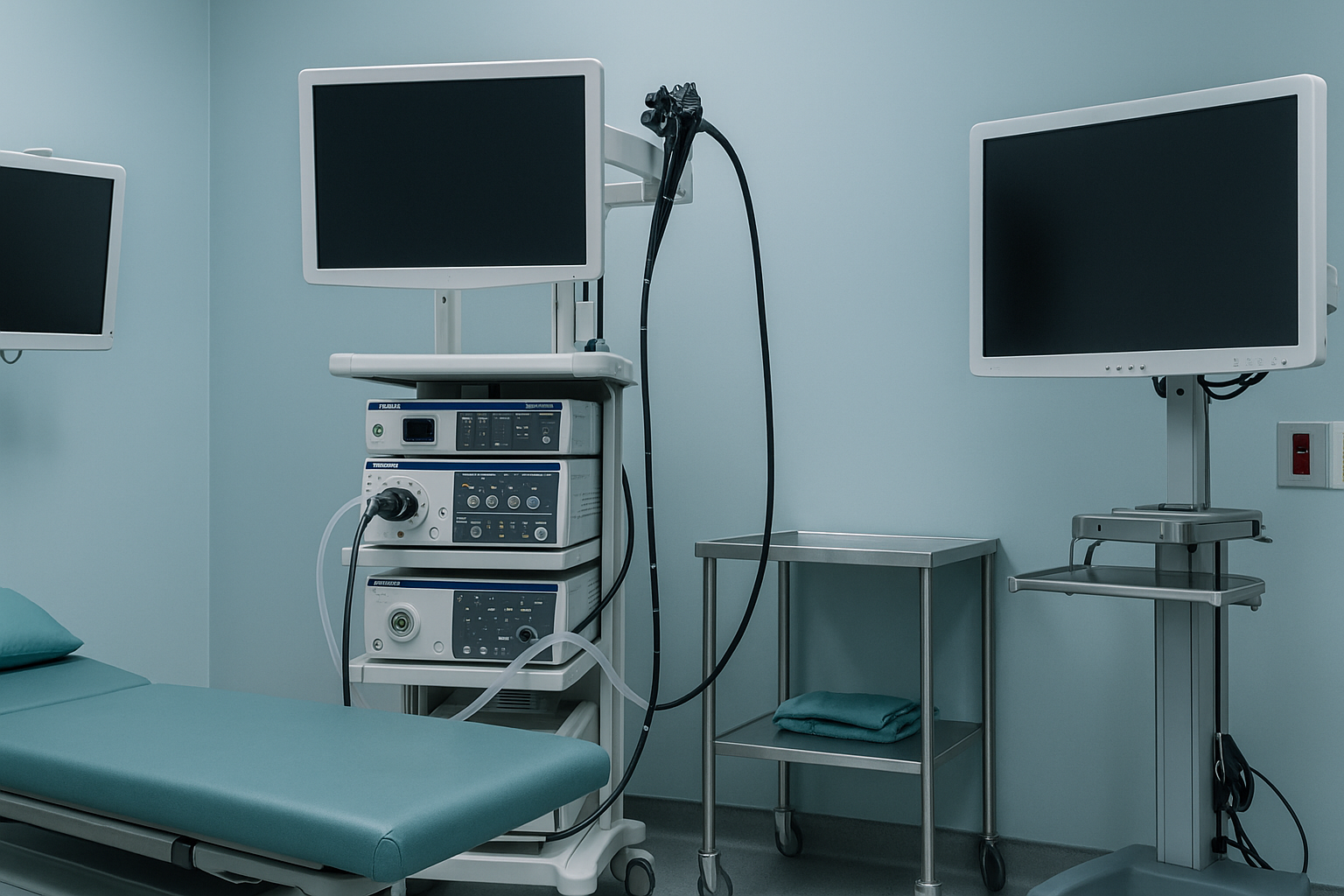
A colonoscopy uses a thin, flexible tube with a tiny camera at its tip. After gentle sedation, the gastroenterologist guides this tube through your rectum into the large bowel. The camera transmits real‑time video to a monitor, allowing the doctor to look for polyps, inflammation or other issues. If any small growths (polyps) are found, they can often be removed painlessly during the same visit.
Endoscopy (Gastroscopy)
This procedure involves passing a slender tube through the mouth and down into the oesophagus, stomach and first part of the small intestine. You’ll be sedated to the point of relaxation. The camera at the end of the tube lets the doctor inspect the lining of your upper gut for ulcers, reflux changes or other abnormalities. Biopsies can be taken through the tube if needed, without any pain.
Capsule Endoscopy
Capsule endoscopy is a non‑invasive way to examine the small intestine. You simply swallow a capsule the size of a large vitamin pill which contains a miniature camera. As it travels naturally through your digestive tract over 8–12 hours, it wirelessly sends thousands of images to a small wearable recorder. There is no sedation, and you can go about most normal activities during the test. The capsule passes harmlessly in your stool within a week, and there is no discomfort beyond swallowing the pill.
Common Gastrointestinal Conditions
Constipation
Constipation involves having fewer than three bowel motions a week or passing hard, lumpy stools that are difficult or painful to move, often causing bloating and discomfort.
Inflammatory Bowel Disease (IBD)
A chronic condition, including Crohn’s disease and ulcerative colitis, where ongoing inflammation of the digestive tract leads to abdominal pain, diarrhoea and unintended weight loss.
Coeliac Disease
Coeliac disease is an autoimmune disorder where eating gluten damages the lining of your small intestine, leading to diarrhoea, fatigue and nutrient deficiencies.
Bowel Polyps
Bowel polyps are small growths on the inner wall of your colon or rectum that often cause no symptoms but can bleed or, over time, may develop into cancer if not removed.
Helicobactor Pylori (H.Pylori)
A bacterial infection of the stomach lining that can cause indigestion, gastritis or ulcers, often leading to stomach pain and nausea.
Diverticular Disease
This disease involves small pouches developing in the lining of your large bowel and can become inflamed or infected, leading to cramp-like pain, bloating and changes in your bowel habits.